


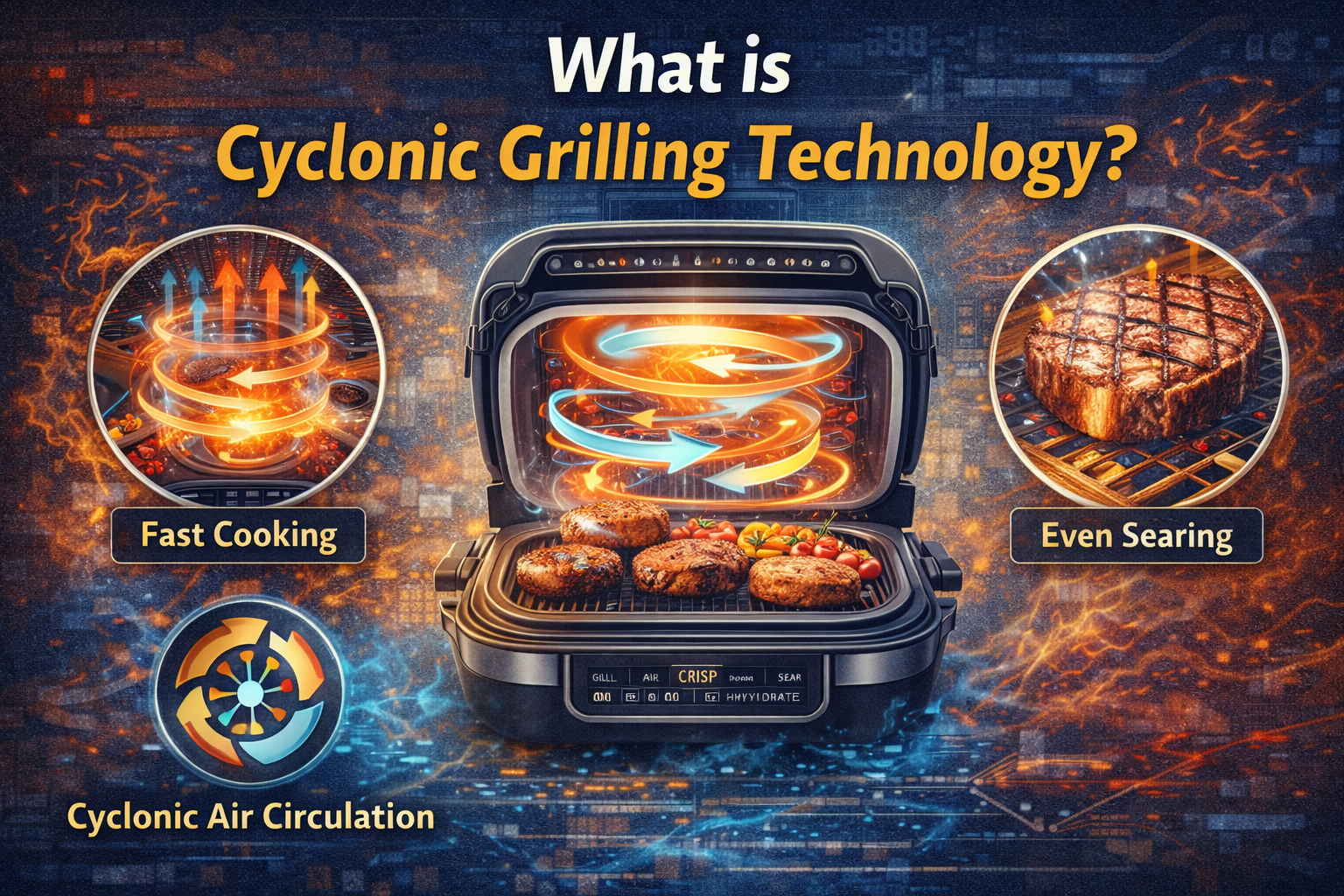
🔥 What is Cyclonic Grilling Technology? Your Comprehensive Guide for 2026
Imagine achieving that perfect, smoky char and juicy interior of an outdoor grilled steak, all from the comfort of your kitchen, regardless of the weather outside. This isn’t a futuristic fantasy; it’s the reality brought forth by innovative culinary advancements, chief among them being what is cyclonic grilling technology. As of 2026, this revolutionary approach to cooking has transformed how many approach grilling, bringing precision, speed, and exceptional results to both indoor and enhanced outdoor cooking experiences. But what exactly is this technology, how does it work, and why should it matter to your cooking repertoire?
Key Takeaways ✨
- Cyclonic grilling technology utilizes a powerful fan and heating element to create a superheated air vortex (often 500°F+ or 260°C+) that circulates 360 degrees around food.
- This process enables faster, more even cooking, achieving authentic searing and charring with distinct grill marks, similar to traditional outdoor grilling.
- Many cyclonic grills are designed for indoor use, featuring advanced smoke reduction systems, making outdoor grilling results accessible year-round.
- Benefits include enhanced flavor, juicier results, versatile cooking options (grill, roast, air crisp), and significant time savings compared to conventional methods.
- While similar to air frying in using circulating hot air, cyclonic grilling emphasizes higher temperatures and direct contact searing for true grilled textures and flavors.
Understanding What is Cyclonic Grilling Technology
At its core, cyclonic grilling technology represents a paradigm shift in how heat is applied to food. Traditional grilling primarily relies on radiant heat from below, with some convection. Cyclonic grilling, however, leverages dynamic airflow to envelop food in a vortex of intensely hot air. This omnidirectional heating ensures every surface of the food is subjected to consistent, high temperatures, leading to uniform cooking and searing that is often difficult to achieve with conventional methods.
The Science Behind the Swirl: How Does It Work?
The magic of cyclonic grilling lies in its engineering. A typical cyclonic grill features several key components working in concert:
- Powerful Heating Element: This element rapidly generates extreme heat, often reaching temperatures upwards of 500°F (260°C), and sometimes even higher.
- High-Speed Fan: Positioned strategically, this fan drives the superheated air through the cooking chamber, creating a powerful, swirling vortex. This is the ‘cyclonic’ aspect.
- Grill Grate/Surface: Often made from cast iron or a similar material, this surface is heated by the circulating air and, in some models, by direct heat from below, providing the crucial contact needed for authentic grill marks and searing.
- Enclosed Cooking Chamber: This chamber is designed to retain heat efficiently and direct the cyclonic airflow precisely around the food.
When these elements combine, the result is a cooking environment where hot air circulates with such intensity that it creates a 360-degree searing effect. This means food cooks thoroughly and evenly from all sides, simultaneously developing a crispy, flavorful exterior and a tender, juicy interior. It’s not just about heat; it’s about heat distribution and intensity.
The Advantages of Cyclonic Grilling Technology: Why It Matters in 2026
The adoption of cyclonic grilling technology has grown significantly by 2026, largely due to its numerous benefits for home cooks and culinary enthusiasts alike. These advantages extend beyond mere convenience, impacting the quality and versatility of meals prepared.
1. Superior Searing and Charring
One of the most defining characteristics of a truly grilled meal is the presence of deep, flavorful sear marks and a slight char. Cyclonic grills excel at this. The intense, circulating heat rapidly caramelizes the surface of food (the Maillard reaction), locking in juices and developing complex flavors that are difficult to achieve with standard indoor cooking methods like pan-frying or broiling [1].
2. Faster and More Even Cooking
Because heat is applied consistently from all directions, cyclonic grilling significantly reduces cooking times. There are no “cold spots” that necessitate constant turning or unevenly cooked results. This efficiency is a major draw for busy households looking for quick yet gourmet meals.
3. Enhanced Flavor and Juiciness
The rapid searing capability of cyclonic technology helps to create a protective crust on food, which in turn helps to seal in moisture and natural juices. This results in dishes that are not only perfectly cooked on the outside but also remarkably tender and succulent on the inside. The intense heat also helps to develop a smoky, grilled flavor profile.
4. Versatility Beyond Grilling
Many cyclonic grilling devices offer multi-functional capabilities. Beyond direct grilling, they can often air crisp, roast, bake, dehydrate, and even broil. This makes them incredibly versatile kitchen appliances, capable of handling a wide range of recipes from crispy fries to perfectly roasted chicken or baked desserts.
Related Posts:
- Is the US the Most Technologically Advanced Country?…

- How Technology Is Changing Business Communication…

- What Is IO in Technology Understanding Input Output Systems

- What Is 3G Technology The Foundation of Mobile Internet

- How Technology Affected Globalization Connecting the World

- Is Keytruda mRNA Technology Understanding Cancer…

5. Indoor Grilling with Less Smoke
For those who live in apartments, face inclement weather, or simply prefer the convenience of indoor cooking, cyclonic grills designed for indoor use are a game-changer. Many models incorporate advanced smoke reduction technology, often involving temperature-controlled grill grates and a powerful fan that traps and dissipates smoke and odors. This means you can enjoy that authentic grilled taste without triggering smoke alarms or filling your home with smoke.
Exploring Types of Cyclonic Grilling Technology
While the core principle remains consistent, cyclonic grilling technology manifests in various forms, catering to different needs and cooking environments.
1. Indoor Cyclonic Grills
These are arguably the most popular manifestation of the technology. Designed to sit on a countertop, they are compact yet powerful. Key features often include:
- Integrated Smoke Reduction: Essential for kitchen use.
- Variable Temperature Control: Allowing for precise cooking of different foods.
- Non-Stick, Removable Components: For easy cleaning.
- Multi-Functionality: Often combining grilling with air frying, roasting, or dehydrating functions.
These are perfect for urban dwellers, anyone seeking year-round grilling, or those who simply enjoy the convenience of not having to step outside.
2. Hybrid Outdoor Grills (with Cyclonic Features)
Some advanced outdoor grills are beginning to incorporate elements of cyclonic airflow, especially in dedicated searing zones or rotisserie functions. While not entirely cyclonic in the same way as indoor models, these grills use enhanced air circulation to improve heat distribution and achieve more consistent searing, particularly useful for larger cuts of meat or poultry.
3. Air Fryer Grills (Dual-Function Devices)
It’s important to note the distinction between true cyclonic grills and standard air fryers. While both use circulating hot air, cyclonic grills are designed for much higher temperatures and direct grate contact to achieve genuine grill marks and char. Air fryer grills combine these two functionalities, offering the crisping capabilities of an air fryer with the high-heat searing of a cyclonic grill. This provides maximum flexibility for users.
| Feature | Traditional Grill (Outdoor) | Standard Indoor Grill (Electric) | Cyclonic Grilling Technology |
|---|---|---|---|
| Primary Heat Source | Direct flame (gas/charcoal) | Contact heating element | Superheated cyclonic air & grill grate |
| Searing Quality | Excellent (high heat) | Good (contact only) | Excellent (360° air + contact) |
| Smoke Production | High | Moderate | Low (indoor models) / Moderate (outdoor variants) |
| Cooking Evenness | Variable (hot spots possible) | Good (if food is pressed) | Superior (consistent 360° heat) |
| Speed | Moderate | Moderate | Fast |
| Versatility (other functions) | Limited (smoking, rotisserie) | Limited | High (air crisp, roast, bake, dehydrate) |
| Weather Dependency | Yes | No | No (for indoor models) |
Practical Applications: What Can You Cook with Cyclonic Grilling Technology?
The beauty of cyclonic grilling lies in its versatility. From delicate vegetables to thick cuts of meat, the technology handles a vast array of ingredients with ease.
Meats and Poultry 🥩
- Steaks: Achieve perfect medium-rare or well-done steaks with beautiful char marks and a juicy interior.
- Chicken: Grill whole chicken, breasts, or thighs to crispy-skinned perfection without drying them out.
- Pork Chops: Deliver tender, succulent chops with an irresistible seared crust.
- Burgers & Sausages: Quick and easy preparation for classic BBQ favorites.
Seafood 🍤
- Fish Fillets: Grill salmon, cod, or tilapia with flaky results and a delicate char.
- Shrimp & Scallops: Cook quickly and evenly, retaining their natural sweetness and tenderness.
Vegetables and Fruits 🌽
- Corn on the Cob: Get that sweet, slightly charred taste reminiscent of summer.
- Asparagus, Bell Peppers, Zucchini: Roast or grill to tender-crisp perfection with attractive grill marks.
- Pineapple, Peaches: Caramelize fruits for desserts or savory dishes.
Beyond Grilling
Many units allow for other cooking modes:
- Air Frying: Crispy fries, onion rings, chicken wings.
- Roasting: Small roasts, potatoes, root vegetables.
- Baking: Even some breads or desserts can be prepared.
Maintenance and Care for Your Cyclonic Grill
Proper care ensures the longevity and optimal performance of your cyclonic grilling device. While specific instructions vary by manufacturer, general guidelines apply.
Regular Cleaning After Each Use
Most components of cyclonic grills are designed for easy cleaning:
- Grill Grate & Crisper Basket: These are often non-stick and dishwasher-safe. For stubborn food residue, soak in warm, soapy water before scrubbing with a non-abrasive sponge.
- Splatter Shield & Grease Tray: Remove and wash these regularly to prevent buildup and maintain smoke reduction effectiveness.
- Main Unit: Wipe down the exterior with a damp cloth once the unit is cooled. Avoid submerging the main unit in water.
Periodic Deep Cleaning
Occasionally, a more thorough cleaning may be required, especially for internal areas that may accumulate grease over time. Consult your specific appliance manual for detailed instructions on accessing and cleaning heating elements and fan enclosures.
Storage
Ensure the grill is completely clean and dry before storing it. Store in a cool, dry place. If your grill came with a cover, utilize it to protect against dust.
Tips for Mastering Cyclonic Grilling Technology
To get the most out of your cyclonic grill, consider these expert tips:
1. Preheat Thoroughly
🌡
️
Always preheat your grill to the recommended temperature before adding food. This ensures the grill grates are hot enough for proper searing and helps maintain consistent cooking temperatures once food is added. Preheating typically takes 5-10 minutes, depending on the model and desired temperature (often 400°F-500°F or 200°C-260°C).
2. Don’t Overcrowd 📏
Leave space between food items to allow the hot cyclonic air to circulate effectively around each piece. Overcrowding can lower the grill’s temperature and lead to uneven cooking and less effective searing.
3. Pat Food Dry 💧
For meats, patting them dry with paper towels before grilling helps achieve a better sear and crispier exterior. Excess moisture can steam the food rather than grill it.
4. Use Light Oil 🍳
Lightly brush food or the grill grates with a high smoke-point oil (like canola, grapeseed, or avocado oil) to prevent sticking and promote browning. Avoid excessive oil, especially on indoor models, to minimize smoke.
5. Monitor Internal Temperatures
🌡
️
Given the rapid cooking, use a meat thermometer to ensure meats reach safe internal temperatures without overcooking. This is crucial for both food safety and achieving desired doneness.
6. Experiment with Marinades and Rubs
🌶
️
Cyclonic grilling pairs exceptionally well with marinades and dry rubs, as the intense heat helps to lock in these flavors. Be mindful of marinades with high sugar content, as they can burn quickly.
Common Misconceptions: Cyclonic Grilling vs. Other Technologies
With the proliferation of kitchen gadgets, it’s easy to confuse cyclonic grilling with similar-sounding technologies.
Cyclonic Grilling vs. Air Frying
While both use circulating hot air, the primary difference lies in temperature and intent. Air fryers generally operate at lower temperatures (350-400°F or 175-200°C) and are designed to crisp foods with minimal oil. Cyclonic grills reach much higher temperatures (often 500°F+ or 260°C+) and specifically aim to replicate the searing, charring, and grill marks of traditional outdoor grilling, typically using a direct heat source on the grill grate in conjunction with the air. Think of an air fryer as a mini convection oven; a cyclonic grill is a mini convection oven and a grill combined for high-heat searing.
Cyclonic Grilling vs. Traditional Electric Indoor Grills
Traditional electric indoor grills rely heavily on direct contact heat from heated plates. While they can create grill marks, they often struggle with even cooking and deep searing due to less efficient heat distribution. Cyclonic grills add the element of 360-degree superheated air, which means food cooks faster and more evenly, achieving a superior sear and char all around, not just where it touches the plate.
The Future of Grilling: Cyclonic Technology in 2026 and Beyond
As of 2026, cyclonic grilling technology has firmly established itself as a leading innovation in kitchen appliances. Its trajectory suggests continued growth and refinement. We can anticipate future developments such as:
- Smarter Integration: More advanced sensors and AI-powered cooking programs that automatically adjust temperature and airflow based on food type and desired doneness.
- Larger Capacities: As the technology becomes more efficient, we may see larger indoor models or more widespread integration into full-sized outdoor grills.
- Energy Efficiency: Continued focus on reducing energy consumption while maintaining high performance.
- Eco-Friendly Materials: Development of more sustainable and durable materials for components.
The drive for convenience, health-conscious cooking, and the desire for restaurant-quality results at home will undoubtedly propel cyclonic grilling technology forward.
Key Terms in Cyclonic Grilling Technology
Cyclonic Airflow
Refers to the high-speed, swirling movement of superheated air within the grill’s cooking chamber, critical for 360-degree cooking and searing.
Indoor Grilling
The process of grilling food using an appliance specifically designed for use within a kitchen, often featuring smoke reduction systems.
Searing
A cooking technique where the surface of food is cooked at high temperature until a browned crust forms. This process caramelizes sugars and amino acids, enhancing flavor.
Charring
Refers to the development of distinct dark grill marks and a slightly smoky, roasted flavor on the surface of food due to intense direct heat.
Maillard Reaction
A chemical reaction between amino acids and reducing sugars that gives browned food its distinctive flavor and aroma. Crucial for the savory notes in grilled foods.
Smoke Reduction System
An integrated feature in many indoor cyclonic grills that minimizes smoke and odors during cooking, typically involving a fan and filtration.
Frequently Asked Questions About What is Cyclonic Grilling Technology
What is cyclonic grilling technology?
Cyclonic grilling technology refers to a specific design within certain indoor and outdoor grills that creates a high-speed, superheated air vortex around the food. This circulating hot air ensures even cooking, searing, and charring from all sides, mimicking the effects of an outdoor grill indoors, or enhancing performance in outdoor models.
How does cyclonic grilling technology work?
The technology typically involves a powerful heating element combined with a high-speed fan. The fan circulates intensely hot air (often reaching temperatures over 500°F or 260°C) rapidly and evenly around the food within a contained cooking chamber. This vortex of superheated air cooks and sears food from 360 degrees, locking in juices and creating a crispy exterior.
What are the main benefits of cyclonic grilling?
The primary benefits include faster cooking times, more even cooking and searing, enhanced flavor with characteristic grill marks, reduced smoke (especially in indoor models), and versatility for various foods. It combines the best aspects of grilling, roasting, and air frying.
Can cyclonic grilling technology be used for indoor cooking?
Yes, many prominent cyclonic grilling devices are designed specifically for indoor use. They often incorporate smoke reduction systems, making it possible to achieve authentic grilled results in a kitchen setting without excessive smoke.
Is cyclonic grilling the same as air frying?
While both use circulating hot air, cyclonic grilling focuses on achieving high-temperature searing and charring characteristic of traditional grilling, often at much higher temperatures than typical air fryers. Air frying is primarily for crisping foods with minimal oil, whereas cyclonic grilling aims for the distinct grilled flavor and texture, often with direct contact grilling elements.
Is cyclonic grilling healthier?
Cyclonic grilling can be a healthier cooking method. It allows for fat to drip away from food, similar to traditional grilling. Additionally, because it cooks efficiently and often includes air frying capabilities, it can reduce the need for excessive added oils, contributing to a healthier diet.
What brands offer cyclonic grilling technology?
As of 2026, leading brands such as Ninja Foodi (with its “Grill” line), and other innovative kitchen appliance manufacturers offer products featuring or incorporating cyclonic grilling technology. It’s always advisable to check specific product features as branding and terminology can vary.
Conclusion: Embracing the Revolution of Cyclonic Grilling
In summary, what is cyclonic grilling technology is more than just a culinary gadget; it’s a sophisticated system designed to bring the joy and flavor of outdoor grilling into any kitchen, or to elevate existing outdoor grilling experiences. By harnessing the power of superheated, cyclonic airflow, these appliances deliver unparalleled searing, even cooking, and deliciously juicy results, all with remarkable speed and efficiency. As we move further into 2026, this technology continues to evolve, promising even smarter, more versatile, and more user-friendly ways to grill. Whether you’re a seasoned grill master or a novice cook, exploring cyclonic grilling can unlock a new world of culinary possibilities, allowing you to enjoy perfectly grilled meals year-round, regardless of weather or space constraints.
Ready to elevate your grilling game? Consider investing in a cyclonic grill and experience the difference for yourself. Happy grilling!
🍳
🔥
